
Adventure Fly Fishing: A Complete Wilderness Guide
By Bobby Harris — Navy FMF Corpsman (2002–2010), founder of First Rise Outfitters
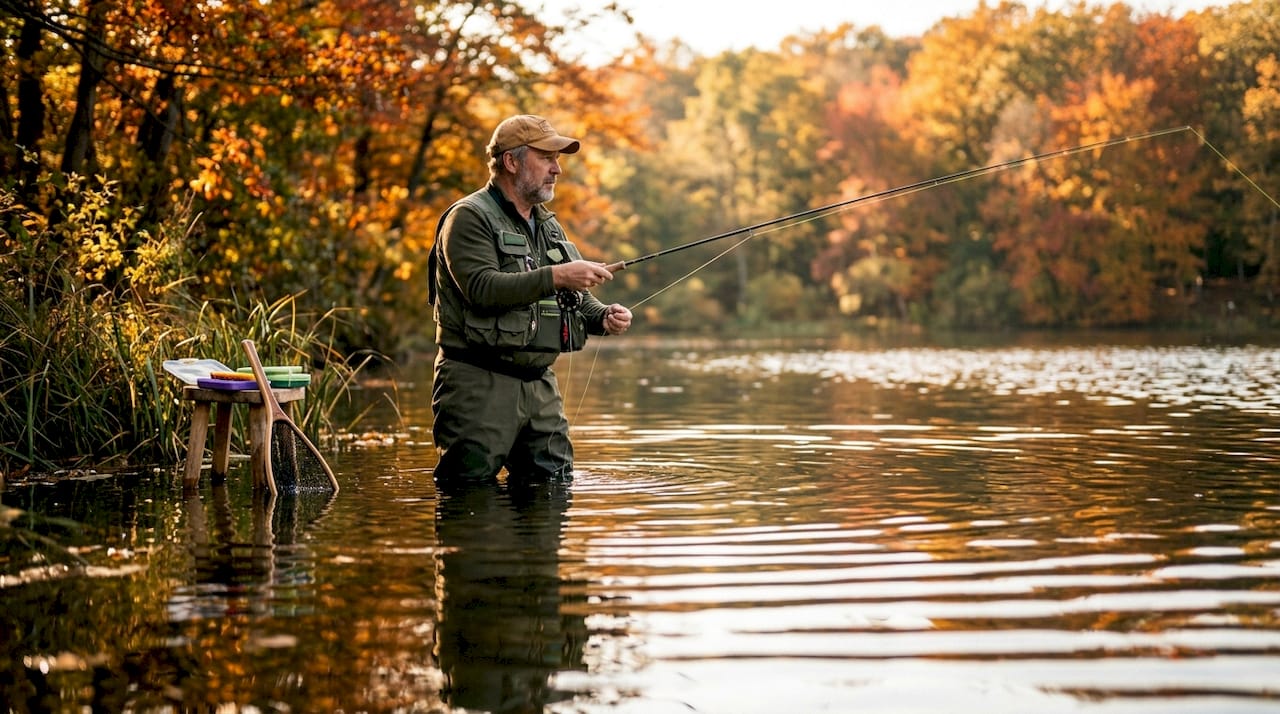
Adventure fly fishing is the pursuit of wild trout and char in remote cold-water ecosystems using fly casting techniques, demanding specialized skills, purpose-built gear, and a conservation mindset shaped by wilderness conditions. This is not your local stocked pond. You are wading into roadless drainages, reading spring hatches on rivers that see more elk than anglers, and releasing native fish that have never seen a hatchery truck. The sport sits at the intersection of backcountry travel and technical angling, and that combination is exactly what makes it worth every early morning and sore muscle.
What are the best adventure fly fishing locations for wild cold-water species?
The best remote fisheries in the United States share three traits: native wild fish, limited access, and water cold enough to hold trout through summer. The Middle Fork of the Salmon River in Idaho checks every box. August and September deliver consistent dry fly action on native Westslope cutthroat trout in clear, lower flows with almost no angler pressure. The wilderness protections that make access difficult are the same protections that keep the fishery exceptional.
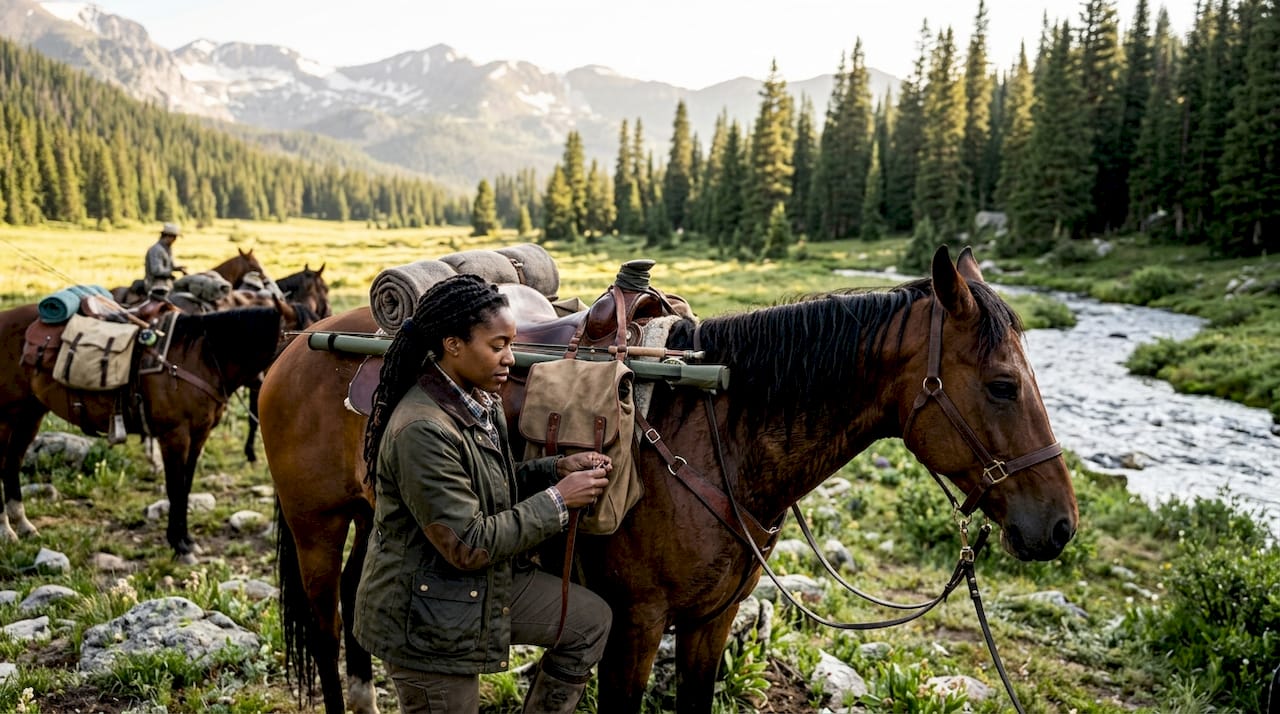
The Bob Marshall Wilderness in Montana offers a different kind of challenge. Getting there often means a multi-day horseback ride or a float plane drop, and the fishing rewards that effort with bull trout and cutthroat in glacially cold tributaries. The Chilko River in British Columbia, Canada, is worth the international trip. It holds powerful wild rainbow trout that respond explosively to dry flies and streamers, managed under strict catch-and-release ethics. Henry’s Fork in Idaho rounds out the short list as one of the most technically demanding spring creek fisheries in North America.
| Location | Key species | Peak season | Access |
|---|---|---|---|
| Middle Fork, Salmon River (Idaho) | Westslope cutthroat | August–September | Raft or float plane |
| Bob Marshall Wilderness (Montana) | Bull trout, cutthroat | July–September | Horseback or pack trip |
| Chilko River (British Columbia) | Wild rainbow trout | August–October | Float plane or road |
| Henry’s Fork (Idaho) | Wild rainbow trout | June–September | Drive-in, permit areas |
Shoulder season is the sweet spot across all four destinations. Lower river flows and better insect activity in late summer make selective wild fish more catchable and the experience less crowded.
What essential gear do you need for adventure fly fishing trips?
Gear failures are the biggest risk on a remote fly fishing trip. Replacements are rarely available mid-trip, so packing backups of critical equipment is not optional. A broken rod tip or a lost reel on day two of a nine-day wilderness float is a trip-ending event if you have nothing to fall back on.
Fishing tackle essentials
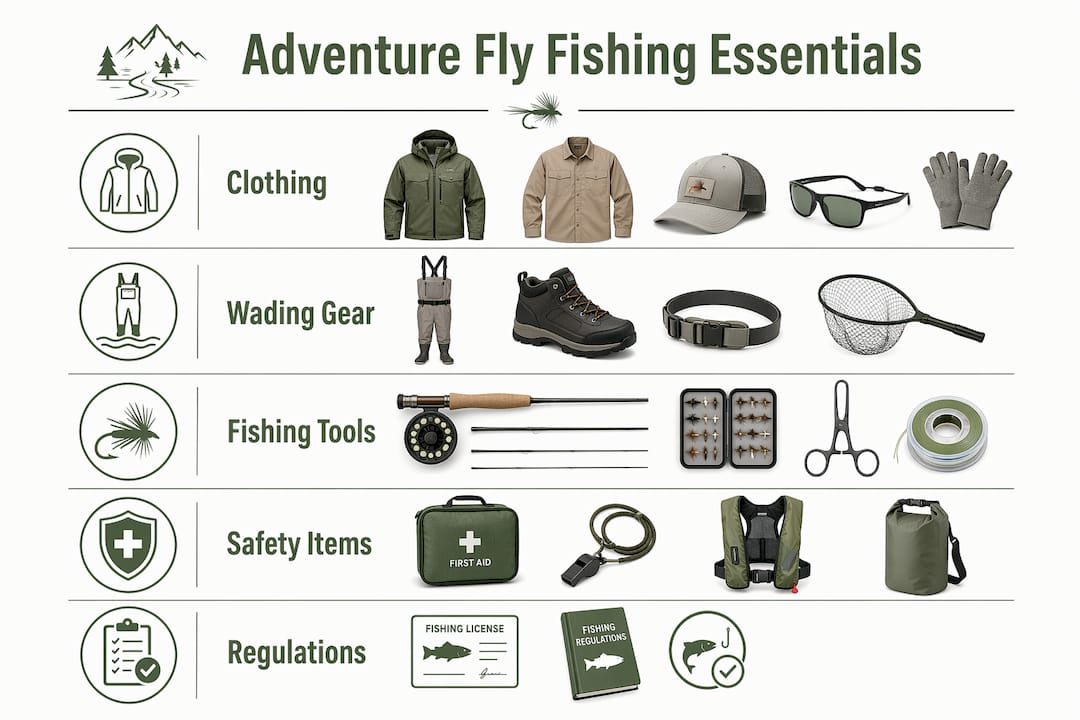
- Rod: A 9-foot, 5-weight or 6-weight is the workhorse for most wild trout fisheries. Bring a backup rod or at minimum a spare tip section.
- Fly line: Weight-forward floating line covers 80% of situations. Add a sinking tip for streamer work on big water like the Chilko.
- Leaders and tippet: Carry 5X and 6X fluorocarbon tippet. On technical waters like Henry’s Fork, fly sizes #10–22 and patterns like Green Drake, PMD, and BWO are standard.
- Fly selection: Pack locally recommended patterns. Ask your guide before the trip what is hatching. Generic attractor patterns like Elk Hair Caddis and Parachute Adams work as fallbacks on most freestone rivers.
Clothing and wading gear
Layering is the system that works in mountain environments. Temperatures can swing 40 degrees between dawn and midday. Breathable waders with a fleece liner underneath handle cold morning wading. A waterproof shell goes in your pack for afternoon thunderstorms. Felt-soled or rubber-studded wading boots with ankle support protect you on slick boulders. Check fishing clothes for variable weather before you pack to make sure your layers work together.
Wilderness and safety gear
- Bear canister or hang system for food storage (required in most wilderness areas)
- Navigation tools: topographic map, compass, and a GPS device as backup
- Emergency kit: first aid supplies, fire starter, emergency bivy, and a personal locator beacon
- Packable wading staff for crossing swift water
Pro Tip: Pack your flies in two separate waterproof boxes and store them in different bags. If one bag goes overboard on a raft, you still have half your patterns.
What logistical and regulatory steps must you plan before your trip?
Remote wilderness fishing areas operate under strict rules, and ignoring them can end your trip before it starts. Catch-and-release policies, barbless hooks, and mandatory food storage are standard requirements across most protected drainages in the American West. These rules exist to protect the native fish populations and the ecosystems that sustain them.
All-inclusive guided packages simplify the regulatory burden considerably. Packages priced around $7,000–$7,500 per person for multi-day wilderness trips typically cover permits, food, camp logistics, and tackle. Day trips average $400–$600 per boat. Booking all-inclusive also means better budget control, since terminal tackle and incidentals handled independently usually add 15–20% to your total cost.
Here is a numbered checklist of the key steps before you leave the trailhead:
- Secure permits early. Limited-entry wilderness areas like the Middle Fork of the Salmon fill their permit slots months in advance. Apply in winter for summer trips.
- Confirm your guide’s regulatory knowledge. A licensed outfitter knows the current rules for the specific drainage you are fishing.
- Get physically ready. Multi-day pack trips involve hiking, wading, and carrying gear. Build cardiovascular fitness and leg strength at least six weeks out.
- Arrange your access method. Float plane, horseback, or raft each require different gear packing strategies and weight limits.
- Check your fishing license. A valid state or provincial license is required. Some areas require a separate conservation license or tribal permit.
- Brief your guide on your goals. Sharing your preferences for dry fly fishing versus nymphing before arrival lets your guide plan water and tactics around your skill level.
A 1:2 guide-to-angler ratio is standard on elite remote trips. Solo or highly technical trips often run 1:1. Smaller groups mean more coaching, safer crossings, and better fishing.
What fly fishing techniques work best for wild trout in remote rivers?
Wild trout in remote rivers are not naive. They live in clear, cold water with excellent visibility, and they have seen far fewer flies than their tailwater cousins. Presentation matters more than pattern selection on most days. The goal is a natural drift, where your fly moves at the same speed as the current with no drag pulling it sideways.
Reading water and timing your cast
Prime feeding lies sit where fast water meets slow water: the seam behind a boulder, the tail of a pool, and the soft inside edge of a bend. Fish hold in these spots because the current delivers food without requiring them to fight the main flow. Wade quietly, approach from downstream, and cast upstream so your fly reaches the fish before your line does.
Timing matters as much as technique. August and September bring the most reliable hatch activity on cold-water rivers. Watch for rising fish in the morning and again in the evening. Midday on bright days often pushes fish deep, which is when switching to a nymph rig or a weighted streamer makes sense.
Dry fly, nymph, and streamer strategies
- Dry fly fishing: Use a high-floating pattern like a Stimulator or Parachute Adams for freestone rivers. On technical spring creeks like Henry’s Fork, match the hatch precisely with smaller emerger patterns on 6X tippet.
- Nymphing: A two-fly nymph rig with a strike indicator covers the water column effectively. Use a heavy anchor fly like a Copper John and a smaller soft hackle as a dropper.
- Streamer fishing: Big water like the Chilko rewards aggressive streamer presentations. Cast across the current, let the fly swing, and strip it back with short, sharp pulls to trigger a strike from bull trout or large rainbows.
Pro Tip: Tell your guide exactly what kind of fishing excites you most before you hit the water. If you love dry fly fishing, say so. A good guide will find you the right water and the right moment, but only if they know what you are chasing.
If you are newer to the technical side of casting and presentation, the beginner’s guide to fly fishing from Firstriseoutfitters covers the foundational mechanics in plain language before you commit to a remote trip.
Key Takeaways
Adventure fly fishing rewards preparation, patience, and a willingness to embrace wilderness conditions over comfort.
| Point | Details |
|---|---|
| Prime timing is late summer | August and September offer the best hatch activity, water clarity, and lower angler pressure on most cold-water rivers. |
| Gear redundancy is non-negotiable | Bring backup rods, extra tippet, and duplicate fly boxes because replacements are not available in the backcountry. |
| Permits require early planning | Limited-entry wilderness areas fill months in advance; apply in winter for summer trips. |
| Guide communication improves results | Sharing your dry fly or nymphing preferences before arrival lets guides tailor water and tactics to your goals. |
| Conservation ethics protect the fishery | Catch-and-release and barbless hooks are mandatory in most wilderness drainages and keep native populations healthy. |
What adventure fly fishing taught me that no article could
Most anglers approach a remote wilderness trip expecting the fishing to be the main event. The fishing is great, but it is rarely the thing you remember most. What stays with you is the silence at 5 AM when the river is still in shadow, the way a native cutthroat holds in the current before it tips up to eat, and the fact that you are standing somewhere most people will never see.
The misconception I hear most often is that adventure fly fishing is about catching more fish. It is not. The wild fish in these rivers are fewer and harder to fool than anything you will find on a managed tailwater. You will have slow days. You will spook fish you should have caught. The anglers who get the most out of these trips are the ones who treat a refusal as information, not failure.
Flexibility is the skill that separates a good wilderness angler from a frustrated one. Weather changes, hatches shift, and the river you planned to fish may be blown out when you arrive. The guides who work these drainages every season know how to adapt. Trust them. The immersive wilderness experience of adapting to real conditions teaches you more about fly fishing in five days than five months on a stocked pond.
Stewardship is not a bonus ethic on these trips. It is the price of admission. The native fisheries that make adventure fly fishing worth doing exist because previous generations of anglers and conservationists fought to protect them. Leave the water better than you found it, and the next angler gets the same experience you did.
— Bobby
Gear that belongs on the tailgate at 5 AM
The right shirt does not make you a better angler, but it does mean you show up looking like you belong there. Firstriseoutfitters builds apparel for people who are already on the water when the first rise happens.
The Trout Heritage collection features hand-designed artwork of brook, brown, rainbow, and cutthroat trout printed on garment-dyed Comfort Colors blanks in muted, river-inspired tones. These are not loud logo shirts. They are the kind of tee you wear to the put-in, at camp, and on the drive home. The fly fishing gift tee also works as a solid gift for the angler who already has every piece of tackle they need. Shop the full line at Firstriseoutfitters and find something worth wearing before the sun clears the treeline.
FAQ
What is adventure fly fishing?
Adventure fly fishing is the pursuit of wild trout and char in remote wilderness waters using fly casting methods, emphasizing conservation ethics like catch-and-release and barbless hooks alongside backcountry travel skills.
How much does a guided wilderness fly fishing trip cost?
All-inclusive guided wilderness packages typically cost around $7,000–$7,500 per person for trips lasting 4–9 days. Day trips average $400–$600 per boat.
When is the best time to go fly fishing in remote cold-water rivers?
August and September are the peak months for most remote cold-water fisheries in the American West, offering lower flows, better water clarity, and strong insect hatch activity.
Do I need a permit to fly fish in wilderness areas?
Most protected wilderness drainages in the United States require limited-entry permits that fill months in advance. A valid state fishing license and, in some areas, a separate conservation or tribal permit are also required.
Is adventure fly fishing suitable for beginners?
Beginners can participate on guided trips where a 1:2 guide-to-angler ratio provides hands-on coaching. Communicating your skill level and goals to your guide before the trip ensures the water and tactics match your experience.
Recommended
- How to Fly Fish: A Complete Beginner’s Guide – First Rise Outfitters
- Rocky Mountain Fishing Shirt, Colorado Fly Fishing Tee, Vintage Trout – First Rise Outfitters
- Marsh Fishing: Techniques, Gear, and Top Spots – First Rise Outfitters
- Brook Trout Fishing T-Shirt | Vintage Native Waters Angler Tee – First Rise Outfitters