
Technical Shirts That Work Hard and Look Good
By Bobby Harris — Navy FMF Corpsman (2002–2010), founder of First Rise Outfitters
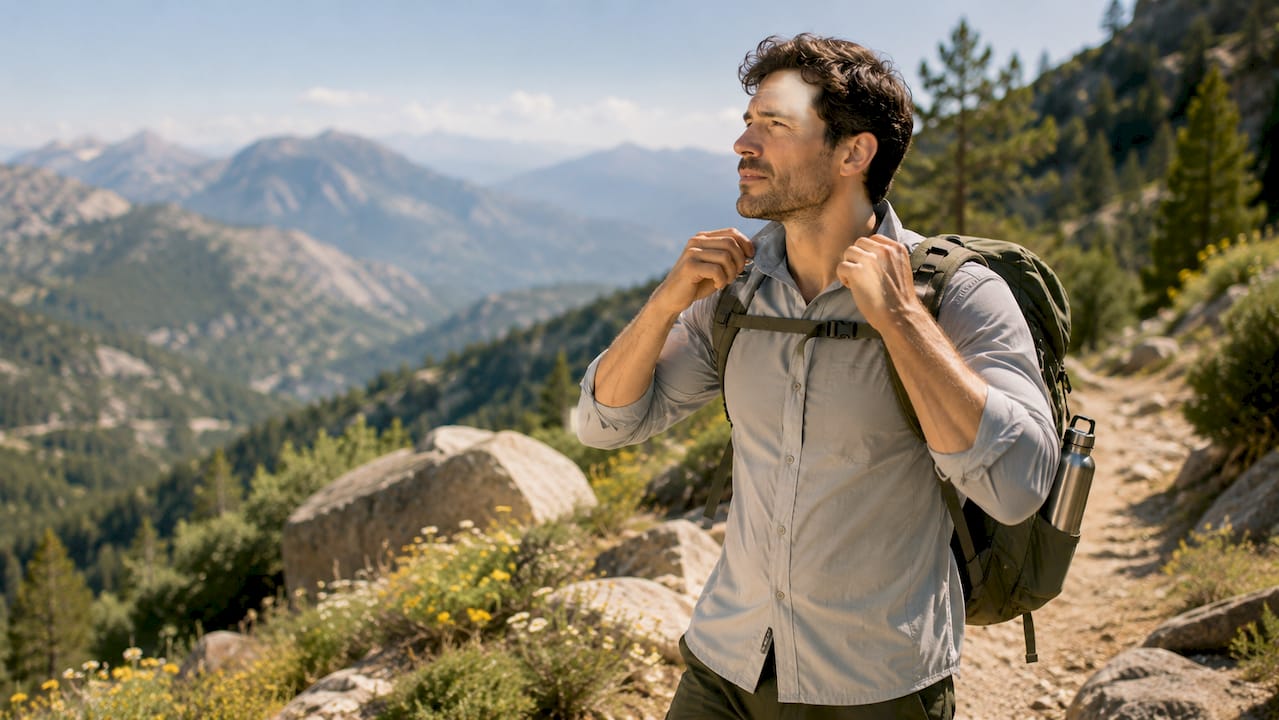
Technical shirts are performance apparel engineered to manage moisture, block UV rays, and control odor through specialized fabric construction and thoughtful design. They are not standard cotton tees with a sporty logo. The best ones combine moisture-wicking fibers with antimicrobial treatments, UPF sun protection, and construction details like flatlock seams and raglan sleeves. Whether you fish, hike, or simply spend long hours outdoors, the right technical shirt makes a real difference in how you feel by noon.
What makes technical shirts worth the investment?
Technical shirts are defined by their fabric engineering, not their price tag. A shirt qualifies as “technical” when it actively manages sweat, resists odor, and protects your skin from the sun, all at the same time. Standard cotton does none of these things well. It absorbs moisture and holds it against your skin, which feels cold in the morning and heavy by midday.
The shift in 2026 is toward shirts that blend performance and casual wear into a single garment. You no longer need to change out of your fishing shirt before grabbing lunch in town. That versatility is what separates a genuinely useful technical shirt from one that only works in a gym.
Firstriseoutfitters builds its shirts around this exact idea. No loud logos, no compression fits designed for the weight room. Just well-made garments that perform on the water at 5 AM and still look right at a tailgate by 9 AM.
What materials and fabric blends are most common in quality technical shirts?
Fabric is the foundation of every technical shirt. Get the blend wrong and no amount of clever construction will save you.
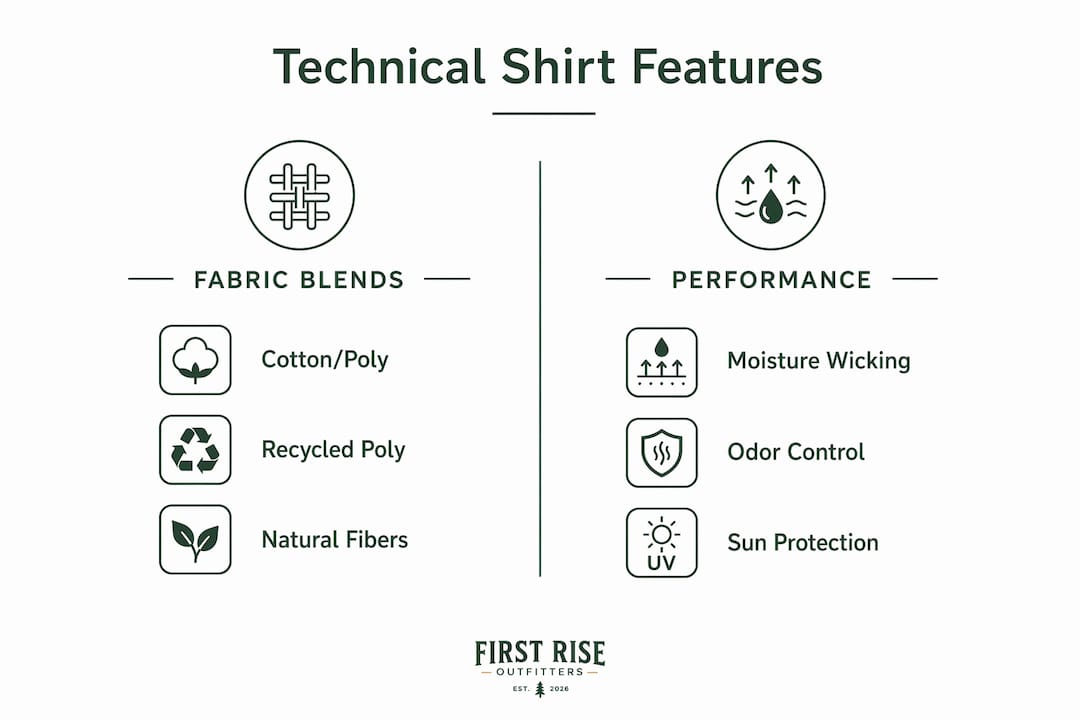
Cotton and polyester blends
60% cotton and 40% polyester is the most trusted blend for outdoor use. Cotton provides the soft, natural feel that pure synthetics cannot replicate. Polyester adds durability and pulls moisture away from your skin. Together, they hit a balance that works for fishing, hiking, and casual wear without feeling like you are wearing a plastic bag.
Pure polyester shirts wick moisture faster in a lab setting. In real life, they trap heat and develop odor quickly. The cotton component in a blend slows that process and keeps the shirt comfortable across a full day outdoors.
Recycled polyester content
Modern technical shirts increasingly use 50%–70% recycled polyester without sacrificing softness. This matters if you care about where your gear comes from. Recycled content reduces reliance on virgin petroleum-based fibers while delivering the same moisture management performance.
Natural performance fibers
Pima cotton and Tencel are two natural fibers worth knowing by name. Pima cotton is a long-staple variety that feels noticeably softer than standard cotton and resists odor better than basic polyester. Tencel, derived from wood pulp, is breathable and moisture-absorbent. Both are excellent choices for shirts you plan to wear for multiple days without washing.
Pro Tip: If you run warm or sweat heavily, choose a shirt with at least 40% natural fiber content. Pure synthetics wick fast but hold odor by the second day. A cotton or Pima blend stays fresher longer.
Here is a quick breakdown of common fabric types and their strengths:
- 60/40 cotton-poly blend: Best all-around balance of comfort, moisture management, and durability
- Recycled polyester (50%–70%): Good moisture wicking with lower environmental impact
- Pima cotton: Superior softness and natural odor resistance, ideal for multi-day trips
- Tencel: Excellent breathability and moisture absorption, works well in warm climates
- Pure polyester: Fastest moisture wicking but prone to odor buildup and less comfortable in heat
What design features enhance movement, fit, and comfort in technical shirts?
Fabric choice gets most of the attention, but construction is what separates a shirt you wear once from one you reach for every trip. The best design elements like bonded hems and raglan sleeves improve how a shirt moves with your body, not just how it looks on a hanger.
Here are the construction details that matter most:
- Raglan sleeves: These run from the collar to the underarm in a single diagonal seam. They eliminate the shoulder seam entirely, which means no pressure point when you are casting a rod or carrying a pack for six hours.
- Flatlock seams: Standard seams fold fabric over itself, creating a ridge that rubs against skin. Flatlock seams lie flat. On a full day of hiking or wading, that difference prevents raw spots on your shoulders and sides.
- Bonded hems: A bonded hem uses heat-activated adhesive instead of stitching. The result is a clean, flexible edge with no thread to fray or catch on gear.
- Three-panel construction: A three-panel back adds a center seam that follows the spine’s curve. This gives the shirt a more natural shape when you bend or reach, rather than pulling tight across the back.
- Relaxed or classic fit: Relaxed fits with flatlock seams are the standard for outdoor technical shirts. Compression fits work in a gym but restrict movement on the water and feel uncomfortable after a few hours in the sun.
Pro Tip: Try a shirt on and raise both arms above your head. If the hem rides up past your waistband, the shirt is too short for outdoor use. A good technical shirt stays tucked or at hip length even with full arm extension.
Laser-cut finishes are another detail worth noting. They remove raw edges without stitching, which reduces bulk and improves airflow around the hem and cuffs. You will not see this feature on budget shirts, but it shows up in quality outdoor and fishing apparel designed for all-day wear.
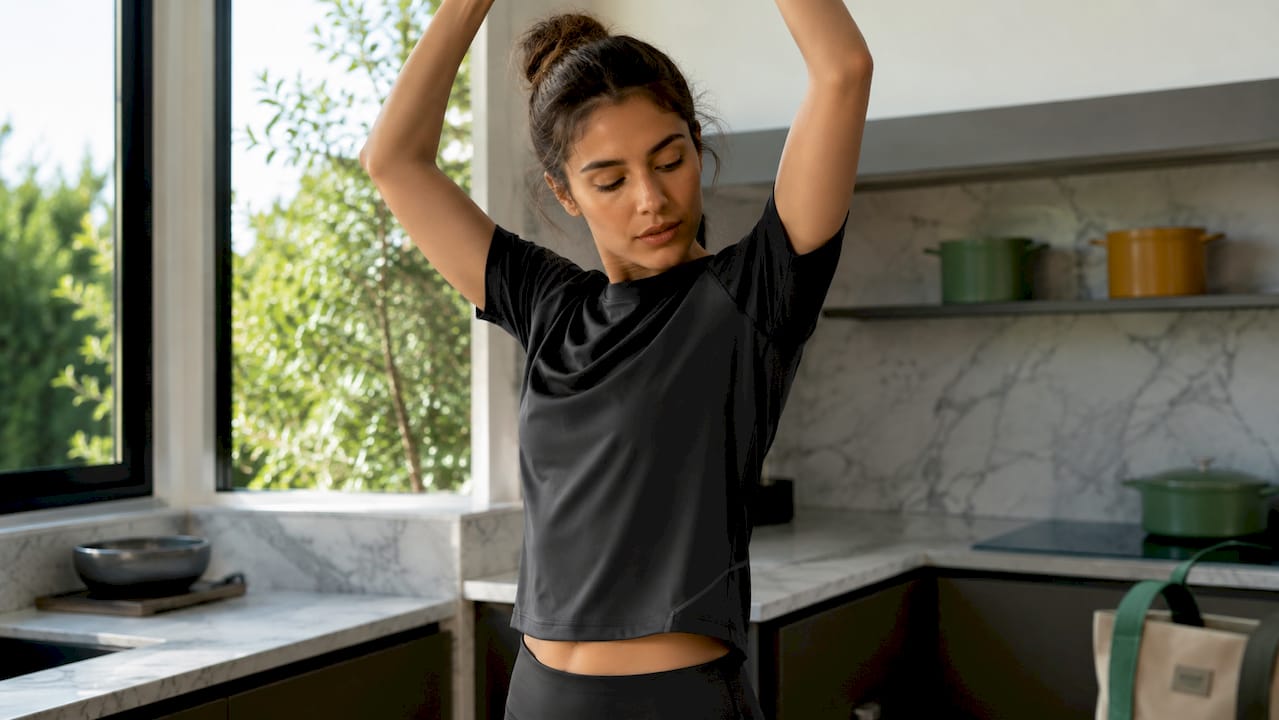
How do technical shirts manage moisture, odor, and sun protection effectively?
These three functions work together. A shirt that wicks moisture but traps odor is only half useful. One that blocks UV rays but soaks through by noon fails the most basic test.
Moisture wicking
Moisture-wicking fabric pulls sweat away from your skin and spreads it across a larger surface area so it evaporates faster. Polyester fibers do this through capillary action, a process where liquid travels along the fiber’s surface rather than soaking in. The result is a shirt that feels dry even when you are working hard.
Odor control
Antimicrobial treatments combined with moisture wicking prevent the bacteria that cause odor from multiplying in the fabric. This is critical for multi-day fishing or backpacking trips where you cannot wash your shirt every night. Natural fibers like Pima cotton and Tencel resist odor without chemical treatments, which is a meaningful advantage for anyone with sensitive skin.
Sun protection
UPF ratings from 25 to 30 are standard in quality outdoor performance shirts. UPF 25 blocks roughly 96% of UV radiation. UPF 30 blocks about 97%. These ratings are not common in standard gym wear, which is why shirts marketed specifically for fishing and hiking tend to carry them. If you spend hours on open water or above the treeline, this protection matters.
| Feature | How it works | Why it matters |
|---|---|---|
| Moisture wicking | Capillary action moves sweat to fabric surface | Keeps skin dry and reduces chafing |
| Antimicrobial treatment | Inhibits bacteria growth in fabric | Controls odor on multi-day trips |
| UPF 25–30 rating | Fabric blocks 96%–97% of UV rays | Protects skin during extended sun exposure |
| Natural fiber blends | Pima cotton and Tencel absorb and release moisture | Softer feel with better odor resistance |
Which technical shirts are best suited for fishing, hiking, and casual wear?
Activity type should drive your shirt choice. The features that matter on a trout stream differ from what you need on a summit trail or a Saturday morning at the farmers market.
For fishing
- UPF 25+ protection is non-negotiable. You spend hours on open water with no shade and UV reflecting off the surface.
- Odor resistance matters more than you think. Fish are sensitive to human scent, and a shirt that smells by hour three is a problem.
- A relaxed fit lets you cast freely without the shirt pulling across your shoulders.
- Midweight fabric holds up to repeated washing and resists snags from hooks and brush.
- Firstriseoutfitters designs shirts specifically for this context. The Rocky Mountain fishing tee is built on garment-dyed Comfort Colors blanks with hand-designed trout artwork, the kind of shirt that works on the water and looks good off it.
For hiking
- Lightweight construction reduces pack weight and keeps you cool on the ascent.
- Raglan sleeves and flatlock seams prevent friction during long miles with a loaded pack.
- Breathable fabric with a natural fiber component manages sweat without trapping heat.
- UV protection and fabric weight are two factors hikers frequently overlook when choosing a shirt. Both significantly affect comfort and safety on exposed ridgelines.
For casual outdoor wear
- A classic silhouette transitions from trail to town without looking like gym gear.
- Muted, natural tones and understated graphics read as casual, not athletic.
- Durable stitching holds up to regular washing without fading or losing shape.
- The Yellowstone River Co. fishing tee from Firstriseoutfitters fits this category well. It carries the aesthetic of a well-worn outdoor shirt without sacrificing the construction quality that makes it functional.
Key takeaways
The most effective technical shirt combines a natural-feel fabric blend, construction details like flatlock seams and raglan sleeves, and UPF sun protection rated at 25 or higher for reliable all-day outdoor performance.
| Point | Details |
|---|---|
| Fabric blend is the foundation | A 60/40 cotton-poly blend balances moisture wicking with the natural feel pure synthetics cannot match. |
| Construction details matter | Raglan sleeves, flatlock seams, and bonded hems improve comfort and movement more than fabric alone. |
| UPF protection is not optional | Shirts rated UPF 25–30 block 96%–97% of UV rays, a critical feature for fishing and hiking. |
| Odor control extends shirt life | Antimicrobial treatments or natural fibers like Pima cotton keep shirts fresher across multi-day trips. |
| Fit drives versatility | A relaxed, classic fit works on the water, on the trail, and in town without looking out of place. |
What I have learned about choosing technical shirts
Bobby here. After years of early mornings on the water and long days on the trail, I have one clear opinion: most people overthink the fabric and underthink the fit.
You can find a shirt with impressive fiber specs that fits like a straightjacket. It will wick moisture beautifully while making it impossible to reach across the boat without the hem riding up. Fit is the variable that determines whether a shirt actually works for you, and it is the one most buyers skip past in the product description.
The other thing I have learned is to be skeptical of pure synthetic shirts marketed as “odor-resistant.” That claim holds up for about one day of hard use. After that, the shirt needs a wash. A Pima cotton or Tencel blend shirt will outlast a synthetic by a full day on a fishing trip, which is exactly when you cannot wash anything.
My honest recommendation is to look for shirts that do not try to announce themselves. The best technical shirts I own look like casual outdoor shirts. They have no reflective panels, no aggressive color blocking, and no brand name printed across the chest. They just work, day after day, without asking for attention.
— Bobby
Shirts built for the water, the trail, and the tailgate
Firstriseoutfitters makes shirts for people who are already on the water when everyone else is still asleep. The collection is built around hand-designed trout artwork printed on garment-dyed blanks in muted, river-inspired colors.
Every shirt in the lineup is designed to move between the stream and the parking lot without looking like you raided a sporting goods clearance rack. If you want a shirt that holds up to early mornings, long casts, and a full day outside, the fishing definition tee is a good place to start. Browse the full Trout Heritage collection for options that cover brook, brown, rainbow, and cutthroat trout in designs that feel earned, not manufactured.
FAQ
What is a technical shirt?
A technical shirt is performance apparel engineered to wick moisture, resist odor, and often provide UPF sun protection through specialized fabric blends and construction techniques. It differs from a standard tee in function, not just marketing.
What UPF rating should a fishing shirt have?
Quality outdoor performance shirts typically carry UPF ratings of 25 to 30, which block 96%–97% of UV radiation. This level of protection is standard for fishing and hiking shirts but uncommon in basic gym wear.
Are cotton-poly blend shirts better than pure polyester for outdoor use?
A 60/40 cotton-poly blend outperforms pure polyester for all-day outdoor comfort. Pure polyester wicks faster initially but traps heat and develops odor more quickly than a natural-fiber blend.
How do I choose between a fishing shirt and a hiking shirt?
Fishing shirts prioritize UPF protection, odor resistance, and a relaxed fit for casting. Hiking shirts emphasize lightweight construction and breathability for sustained movement. Many quality technical shirts serve both activities well.
How often should I wash a technical shirt?
Wash after each heavy-use day to preserve antimicrobial treatments and fabric integrity. Shirts with natural fibers like Pima cotton or Tencel can go an extra day between washes without significant odor buildup.
Recommended
- Fishing Shirt for Men, Sunrise Lake Graphic Tee, Fisherman Gift, Vinta – First Rise Outfitters
- Keep It Wild Mountains T-Shirt | First Rise Outfitters
- Yellowstone River Co. Fishing T-Shirt | Vintage Trout Shirt | Mountain – First Rise Outfitters
- Top 5 Best Fishing Shirt Brands Alternatives 2026 – First Rise Outfitters